Secure Crypto Storage: Protect Your Assets with Ledger
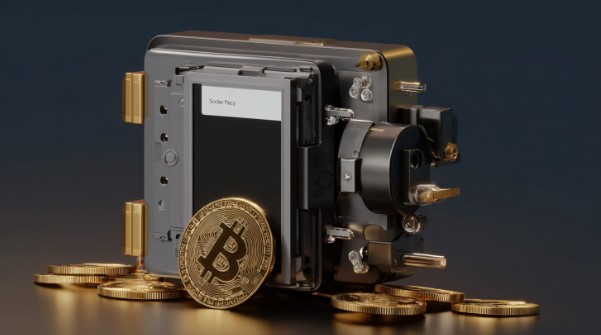
Non Custodial Crypto Protection: Full Control
Non-custodial cryptocurrency storage represents fundamental security architecture where users maintain exclusive control over private keys without delegating custody to exchanges, platforms, or other third-party services. This non custodial crypto protection approach eliminates counterparty risks where custodial services could freeze withdrawals, suffer security breaches, face insolvency, or implement policies restricting user access creating scenarios where users lose access to personally owned assets despite having done nothing wrong. The foundational principle "not your keys, not your coins" emphasizes that cryptocurrency ownership derives entirely from private key possession rather than account balances on third-party platforms representing IOUs rather than actual cryptocurrency control users can exercise independently.
Understanding non-custodial storage importance helps users appreciate why self-custody represents essential security practice rather than optional consideration for substantial cryptocurrency holdings. Hardware wallets, software wallets, and paper wallets all represent non-custodial solutions where users maintain exclusive key access bearing full responsibility for security and backup procedures. While this responsibility requires appropriate technical discipline and security practices, the sovereignty over assets represents core cryptocurrency values enabling permissionless financial operations independent of trusted intermediaries whose failures might jeopardize holdings regardless of individual security practices, platform reputation, or apparent legitimacy creating false security through institutional trust.
What Is Non-Custodial Storage
Non-custodial storage means users personally control private keys securing cryptocurrency holdings without transferring custody to external parties managing keys on users' behalf. This architecture provides complete control where only users can authorize transactions, access holdings, or move funds through cryptographic proof from key possession without requiring third-party permissions or approvals. The self-custody model contrasts fundamentally with custodial solutions like exchanges where companies control keys creating dependency relationships where platform operations, policies, and security directly determine users' ability to access personally owned assets.
Ledger hardware wallets provide non-custodial protection through storing keys exclusively in user-controlled devices isolated from internet connectivity. Private keys generate within secure element chips never leaving hardware throughout operational lifecycles with users maintaining physical device custody and knowledge of PIN codes and recovery phrases enabling complete control. This implementation combines non-custodial benefits with hardware security advantages creating optimal approach for cryptocurrency custody protecting against both external threats from hackers and institutional risks from third-party failures.
Benefits of Self-Custody
Complete asset control provides multiple advantages including no withdrawal limits beyond blockchain-imposed transaction constraints, no platform permissions required for fund movements, maintained access even if wallet providers cease operations through recovery phrases enabling restoration on compatible alternative hardware, no account freezing from platform policies or regulatory actions affecting centralized services, and complete transaction privacy without third parties monitoring activities or maintaining comprehensive financial surveillance creating institutional visibility into personal financial operations.
Self-custody aligns with cryptocurrency's decentralized ethos providing financial autonomy absent in traditional custodial financial services. Users face no platform risks from exchange hacks affecting customer holdings, management decisions implementing unfavorable policies, regulatory actions targeting centralized platforms, or operational issues preventing access during critical market movements. While requiring appropriate security discipline including proper backup procedures and physical device protection, benefits substantially outweigh responsibilities for security-conscious individuals implementing comprehensive key management practices protecting against external threats and personal errors.
Your Keys, Your Crypto
The fundamental principle emphasizes that cryptocurrency ownership derives entirely from private key possession rather than institutional records or account registrations. Anyone obtaining keys gains identical access capabilities as legitimate owners without requiring additional authorization beyond cryptographic proof demonstrating key possession. This characteristic means non custodial crypto protection determines whether users maintain actual control over stated holdings or merely possess worthless information if keys become compromised through inadequate security or lost through improper backup creating permanent inaccessibility.
Self-custody through hardware wallets like Ledger eliminates scenarios where institutional failures, regulatory actions, or platform policies prevent access to personally owned assets. Users maintaining keys in personal hardware wallets access cryptocurrency regardless of exchange operations, wallet provider business continuity, or regulatory restrictions affecting centralized services. This sovereignty proves essential for financial independence and censorship resistance representing core cryptocurrency values distinguishing digital assets from traditional financial systems requiring institutional intermediaries whose continued operations determine users' ability to access personally owned value.
Hardware Wallet vs Online Wallet: Complete Comparison
Understanding fundamental differences helps users make informed decisions weighing trade-offs between security and convenience.
Security Comparison
Hardware wallets provide superior security through offline key storage in tamper-resistant secure element chips certified to highest commercial security standards. Private keys never expose to internet-connected devices throughout operational lifecycles eliminating entire categories of remote attacks targeting software vulnerabilities, malware infections, phishing attempts, and unauthorized access from compromised systems. The physical device requirement creates substantial barriers where attackers require both physical hardware theft and PIN code knowledge rather than just remote system compromise achievable through software exploits or social engineering without physical access.
Online wallets including software wallets and mobile wallets store keys in computer or smartphone memory vulnerable to malware targeting system vulnerabilities, remote exploits leveraging internet connectivity, unauthorized access from compromised systems or stolen devices without additional authentication layers, and clipboard hijackers modifying addresses during copy-paste operations. The fundamental architecture difference in hardware wallet vs online wallet comparison means hardware solutions resist common attack vectors that software wallets face continuously through internet exposure and general-purpose operating system vulnerabilities creating extensive attack surfaces exploitable by motivated adversaries.
Accessibility Differences
Online wallets provide superior convenience through instant availability without device connection requirements enabling immediate transactions from any internet-connected device with installed wallet software. This constant accessibility suits active trading requiring frequent rapid transactions, routine spending operations where small amounts require quick access, or situations requiring cryptocurrency availability without hardware dependencies. The convenience particularly benefits users managing small spending amounts they can afford losing or those prioritizing ease of use over maximum security for holdings representing acceptable risk levels.
Hardware wallets introduce operational friction requiring physical device connections, PIN entry procedures, and transaction verification on device screens before approval. This deliberate friction serves security purposes preventing impulsive transactions and ensuring conscious approval of all operations through mandatory review procedures, but creates obstacles for immediate transaction needs or users without hardware access during time-sensitive situations. The trade-off involves security versus convenience where offline approaches maximize protection at usability cost while online methods prioritize convenience accepting elevated security risks from reduced protection mechanisms.
Cost Considerations
Online wallet solutions typically cost nothing beyond device ownership as software implementations distribute freely through application stores or direct downloads. This zero incremental cost makes online wallets accessible to anyone with smartphones or computers without financial barriers to entry. However, the "free" nature comes at security cost exposing keys to software vulnerabilities and online threats that paid hardware alternatives avoid through dedicated security hardware investment.
Hardware wallets require upfront investment ranging $79-$149 depending on model and feature set representing modest expense relative to cryptocurrency values worth protecting. Anyone holding amounts exceeding several hundred dollars justifies hardware wallet investment through security improvements substantially exceeding cost. The one-time hardware purchase provides years of protection across growing portfolio values making cost-per-year trivial compared to values secured particularly for long-term holders accumulating substantial positions over time.
Protect Crypto Assets Ledger: Security Features
Understanding comprehensive security features helps users appreciate multiple protection layers creating defense-in-depth approaches.
Secure Element Chip
The foundation of protect crypto assets ledger approach involves certified secure element chips storing private keys meeting same security standards as credit cards, passports, and other high-security applications requiring tamper-resistant computing environments. These specialized processors undergo rigorous independent security evaluations achieving Common Criteria EAL5+ certifications validating resistance to sophisticated attacks including both software exploits and physical tampering attempts using laboratory equipment. The certification process involves extensive testing by certified laboratories evaluating protection mechanisms against known attack vectors.
The secure element implements multiple protection layers including hardware-enforced memory isolation preventing unauthorized code from accessing sensitive cryptographic material, tamper detection mechanisms erasing data if physical intrusion attempts are detected through sensors monitoring environmental conditions, and side-channel attack resistance protecting against power analysis or electromagnetic emission monitoring attempting secret extraction through indirect observation. This institutional-grade security in consumer devices enables ordinary users to achieve protection levels matching large financial institutions without requiring technical expertise in cryptography or security engineering.
Offline Key Storage
Cold storage through permanent offline key isolation eliminates remote attack possibilities. Private keys remain within secure element chips never connecting to internet throughout operational lifecycles. Even during transaction signing, only unsigned transaction data enters device and only cryptographic signatures exit while keys remain permanently isolated. This air-gap architecture means even complete computer compromise through sophisticated malware cannot directly steal cryptocurrency since cryptographic material never exposes to software environments attackers might control through system exploitation.
The offline architecture provides immunity to entire threat categories including network-based exploits requiring internet connectivity, malware infections spreading through online connections, phishing attacks attempting credential theft through fake websites, and remote access trojans enabling adversary system control. This comprehensive protection against online threats proves particularly valuable as cyber attacks grow increasingly sophisticated with well-funded adversaries developing advanced malware specifically targeting cryptocurrency holders making offline isolation essential security measure for substantial holdings.
Multi-Layer Protection
Defense-in-depth approach combines multiple independent security mechanisms where single component compromise doesn't result in total security failure. Secure element chips provide hardware protection, PIN codes implement authentication requiring knowledge factor, recovery phrase backups enable disaster recovery, device screens offer trusted display immune to software manipulation, and physical device custody creates possession factor. These layers work synergistically creating robust security architecture resistant to various attack vectors through complementary protections addressing different threat categories.
Non Custodial Crypto Protection: Why It Matters
Understanding importance helps users appreciate why self-custody represents fundamental security principle.
No Third-Party Risk
Custodial services introduce counterparty risks where platform security, operational integrity, and financial stability directly affect customer holdings. Historical examples include numerous exchange failures resulting in billions in customer losses from technical failures like Mt. Gox security breach, insider fraud like QuadrigaCX management theft, regulatory seizures affecting platforms, or simple operational mismanagement leading to insolvency. Even reputable platforms prove vulnerable to unexpected events threatening customer funds regardless of apparent security measures, insurance claims, or regulatory compliance creating false confidence in institutional protection.
Non custodial crypto protection eliminates these institutional risks placing security responsibility solely on individual users implementing appropriate protections. While requiring technical discipline and proper key management, self-custody proves superior to trusting third parties with complete asset control where single institutional failure might jeopardize lifetime cryptocurrency accumulations. The independence from platform risks provides fundamental security improvement regardless of chosen non-custodial solution whether hardware wallets, software wallets, or other self-custody approaches implementing personal key control.
Protection from Exchange Hacks
Exchange hacks represent persistent threat resulting in devastating customer losses throughout cryptocurrency history. Major breaches include Mt. Gox losing 850,000 BTC, Coincheck losing $530 million, Binance losing $40 million, and countless other incidents demonstrating that no exchange proves immune to security failures regardless of size, reputation, or security claims. These breaches typically result from technical vulnerabilities in exchange platforms, insider threats from employees with privileged access, or sophisticated attacks by well-funded adversaries targeting valuable cryptocurrency concentrations.
Hardware wallet custody through protect crypto assets ledger approach eliminates exposure to exchange security failures. Users maintaining keys in personal hardware wallets remain unaffected by exchange breaches since holdings never reside on vulnerable platforms. This protection proves essential given inevitability of future exchange hacks as platforms remain attractive targets for sophisticated adversaries seeking valuable cryptocurrency concentrations creating ongoing risks for any holdings maintained in custodial platforms regardless of current security measures or past track records.
Complete Privacy
Self-custody enables transaction privacy without third parties monitoring cryptocurrency activities, tracking spending patterns, or maintaining comprehensive financial surveillance. Custodial services maintain complete visibility into customer transactions creating privacy concerns from institutional monitoring potentially sharing information with authorities, data breaches exposing financial information to unauthorized parties, or aggressive data mining monetizing user information through various business models. Non-custodial storage eliminates institutional surveillance enabling financial privacy limited only by blockchain transparency inherent to public ledgers.
The privacy advantages prove particularly valuable for users in hostile regulatory environments where government monitoring threatens financial freedom, those conducting legitimate transactions preferring financial privacy as fundamental right, or anyone valuing autonomy over personal financial information without unjustified surveillance. While blockchain transparency means transactions remain publicly visible on distributed ledgers, eliminating institutional intermediaries reduces parties with comprehensive views of individual financial activities protecting privacy against institutional surveillance though not providing absolute anonymity given blockchain's public nature requiring additional privacy measures for anonymous operations.
Hardware Wallet vs Online Wallet: Detailed Analysis
Comprehensive comparison helps users evaluate trade-offs making informed decisions.
Hardware Wallet Advantages
Hardware wallets provide maximum practical security for individual users through offline key storage in certified secure element chips, resistance to malware and remote attacks through air-gap architecture, protection against common theft vectors affecting software solutions through physical device requirements, multi-cryptocurrency support consolidating portfolio security across diverse holdings, proven track record protecting billions across millions of users validating real-world effectiveness, and disaster recovery through recovery phrase backups enabling restoration after device loss or failure.
Additional advantages include platform independence where users maintain access regardless of manufacturer operations, long device lifespans providing years of protection from single hardware purchase, and educational benefits where proper hardware wallet usage establishes good security practices applicable across broader digital security contexts. The combination of technical security excellence and practical operational benefits makes hardware wallets optimal choice for anyone managing substantial cryptocurrency holdings justifying modest hardware investment through comprehensive protection exceeding free software alternatives.
Online Wallet Limitations
Online wallet limitations stem from fundamental architecture exposing keys to internet-connected software environments. Primary disadvantages include vulnerability to malware targeting system vulnerabilities seeking cryptocurrency theft, remote attack surfaces from constant internet connectivity enabling exploitation, unauthorized access risks from compromised systems or stolen devices without additional authentication, complete device dependency where single device compromise threatens all holdings, and reliance on wallet provider continued operations for optimal functionality though recovery phrases enable migration to alternatives.
These limitations make online wallets inappropriate for substantial holdings requiring proper security through cold storage solutions. Software wallets suit only small spending amounts users can afford losing completely, serving as hot wallets for routine transactions while hardware cold storage secures meaningful holdings. The convenience-security trade-off makes software wallets appropriate only for limited use cases rather than primary storage for significant cryptocurrency investments requiring comprehensive protection through dedicated security hardware.
When to Use Each
Hardware wallets suit long-term holdings and savings representing significant value where loss would impact financial wellbeing, cryptocurrency treated as investments rather than spending money justifying security investment, diversified portfolios spanning multiple blockchains benefiting from consolidated security, and users prioritizing maximum security over convenience willing to accept operational friction for comprehensive protection. The cold storage approach proves essential for amounts exceeding several thousand dollars where security investment justifies operational trade-offs.
Online wallets suit spending amounts and hot wallets holding limited funds for routine transactions, active trading requiring frequent rapid transactions without hardware connection delays, small holdings where total loss represents acceptable risk not significantly impacting finances, and situations requiring constant cryptocurrency accessibility without hardware dependencies. The ideal approach often involves hybrid strategies using hardware cold storage for substantial holdings with software hot wallets maintaining smaller amounts for routine transactions implementing tiered security proportional to value at risk.
Protect Crypto Assets Ledger: Best Practices
Implementing systematic practices ensures comprehensive protection beyond hardware selection.
Secure Recovery Phrase Storage
Recovery phrase backup represents equally critical practice as hardware wallet usage since phrase compromise or loss results in complete asset loss regardless of hardware security. Write phrases on provided paper sheets or durable materials using permanent ink during device initialization, verifying each word's correct spelling and sequence number. Create multiple backup copies storing in different secure physical locations like home safes, bank safe deposit boxes, or trusted family member custody protecting against single location disasters like fires, floods, or burglaries threatening single backup copies.
Never photograph recovery phrases creating digital copies vulnerable to cloud backup exposure or device theft, never store digitally in any format including encrypted files risking exposure through account compromises, never share with anyone regardless of claimed authority since legitimate support never requires recovery phrases, and consider metal backup plates for highest-value holdings where paper deterioration risks justify upgrade investments. Test recovery procedures on small amounts before trusting with substantial holdings verifying backup validity and personal ability to execute restoration successfully.
Regular Security Updates
Maintain current firmware and Ledger Live versions accessing latest security improvements and feature additions through regular update adoption. Enable automatic update notifications in applications alerting when new releases become available. Schedule periodic update checks monthly ensuring awareness of critical security patches requiring prompt installation. Read update release notes understanding changes and improvements before proceeding. Always verify update sources ensuring genuine firmware from official channels preventing malicious firmware installation attempts by attackers distributing compromised updates through unofficial sources.
Physical Device Security
Protect hardware wallets from physical theft through secure storage when not in use avoiding visible locations or unnecessary public carrying where loss or theft risks increase. Store devices in safes or secure locations at home protecting against burglary. Consider geographic distribution for very large holdings maintaining backup devices in different locations providing access continuity if primary locations become inaccessible through disasters. The physical security complements cryptographic protection creating comprehensive defense against both digital and physical threats.
Non Custodial Crypto Protection: Implementation
Systematic approach ensures proper self-custody implementation.
Setting Up Non-Custodial Wallet
Purchase hardware wallet from official sources verifying authenticity through packaging inspection and software genuineness checks. Initialize device personally generating fresh recovery phrases rather than using pre-configured hardware ensuring personal control from start. Create strong PIN codes avoiding obvious patterns. Record recovery phrases carefully on provided sheets verifying accuracy through device confirmation procedures. Install necessary cryptocurrency applications and create accounts for held assets. Transfer cryptocurrency from exchanges or software wallets to hardware wallet addresses verifying addresses on device screens before transactions.
Backup Strategies
Implement comprehensive backup strategy with multiple recovery phrase copies in geographically distributed secure locations. Use durable materials like metal plates for long-term storage exceeding paper longevity. Test restoration procedures verifying backup validity. Document emergency access procedures for family members ensuring appropriate parties can access holdings if needed while maintaining security through proper information compartmentalization. Regular backup verification ensures continued validity and accessibility when needed for disaster recovery scenarios.
Hardware Wallet vs Online Wallet: Making the Choice
Strategic evaluation helps users select optimal solutions.
Risk Assessment
Evaluate personal risk tolerance and threat model determining appropriate security levels. Consider holdings value, target profile from attackers perspective, technical competence implementing proper security, and consequences of total loss on personal finances. Users holding substantial amounts, those representing attractive targets, or anyone unable to absorb complete loss should use hardware wallets providing maximum practical security. Those managing trivial amounts or possessing sophisticated technical security skills might find software wallets adequate for specific use cases though hardware remains recommended best practice.
Portfolio Size Considerations
Portfolio size significantly influences appropriate security choices. Holdings exceeding $500-1000 justify hardware wallet investment through security improvements vastly exceeding cost. Smaller amounts might use software wallets accepting risks though even modest holdings benefit from proper security as cryptocurrencies appreciate potentially transforming initially small positions into substantial values justifying retroactive security upgrades. The general principle suggests hardware wallets for any amount users cannot afford losing completely implementing conservative security standards protecting against unexpected losses.
Frequently Asked Questions
Non-custodial means users maintain exclusive control over private keys without delegating custody to exchanges or platforms. This eliminates counterparty risks from institutional failures, provides complete asset sovereignty, and ensures access regardless of third-party operations. Users bear full responsibility for security implementing appropriate protections through hardware wallets or other self-custody solutions maintaining personal key control.
Hardware wallets provide superior security through offline key storage in tamper-resistant chips eliminating malware and remote attack risks. Online wallets offer convenience but expose keys to system vulnerabilities and internet threats. Hardware wallets recommended for substantial holdings while online wallets suit only small spending amounts. Most users benefit from hybrid approach using hardware for savings and software for spending.
Ledger protects through certified secure element chips storing keys offline, PIN authentication preventing unauthorized access, recovery phrase backups enabling disaster recovery, device screens providing trusted displays immune to software manipulation, and non-custodial architecture maintaining user control. Multiple protection layers create defense-in-depth resisting various attack vectors through complementary security mechanisms.
Non-custodial storage eliminates third-party risks from exchange hacks, platform insolvency, regulatory seizures, and account freezes. While requiring personal security responsibility, self-custody proves safer than trusting institutions with complete asset control. Proper implementation through hardware wallets combining non-custodial benefits with technical security provides optimal protection against both external threats and institutional risks.
Use hardware wallet for substantial holdings, long-term savings, and amounts where loss would significantly impact finances. Use online wallet only for small spending amounts, active trading, or situations requiring constant accessibility. Most users benefit from both: hardware cold storage for significant holdings and software hot wallet for routine transactions implementing tiered security proportional to value at risk.